Backed by leading programs – trusted by the companies we serve.






Proven on real parts
One system. Every part on your line.
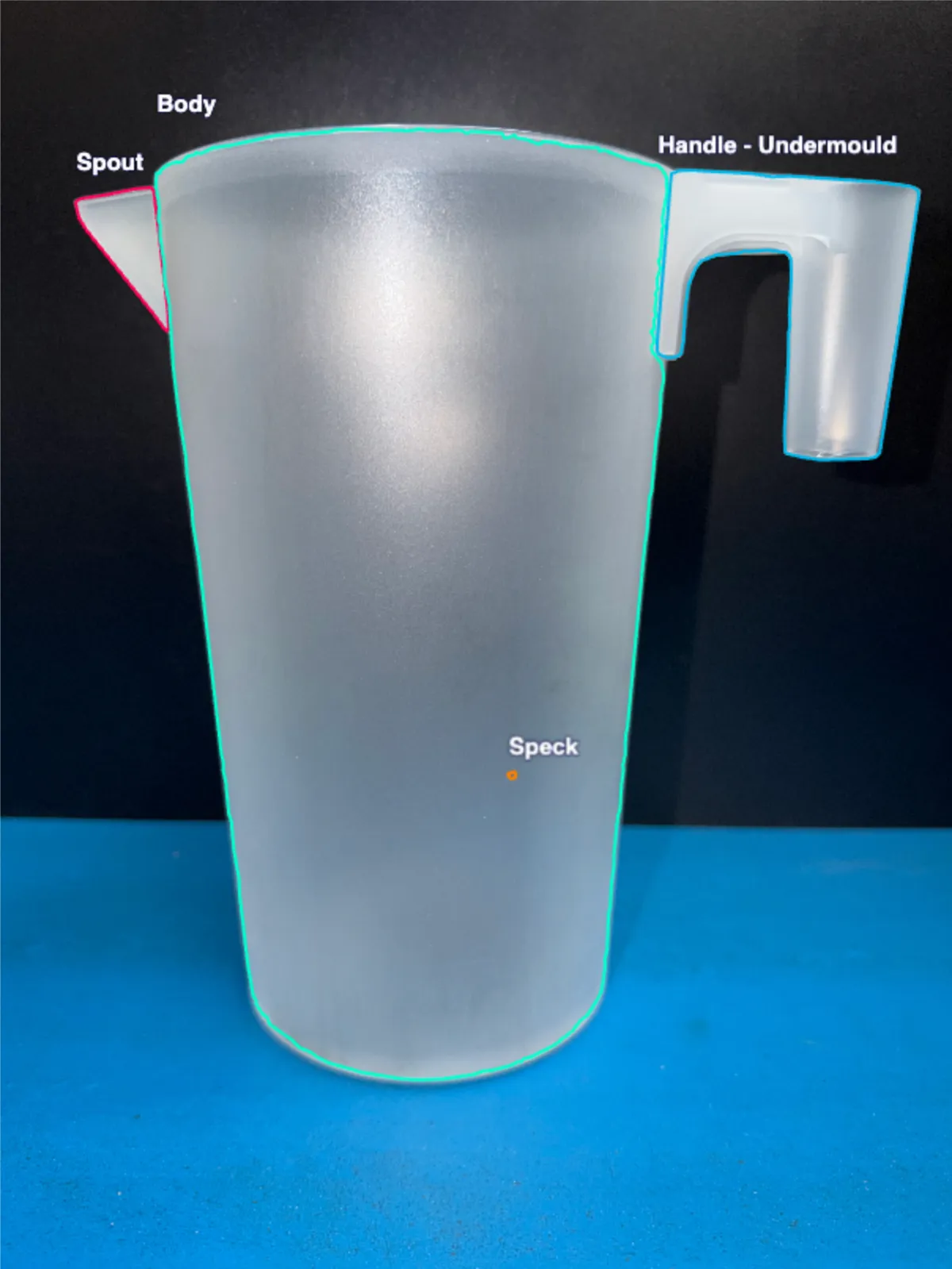
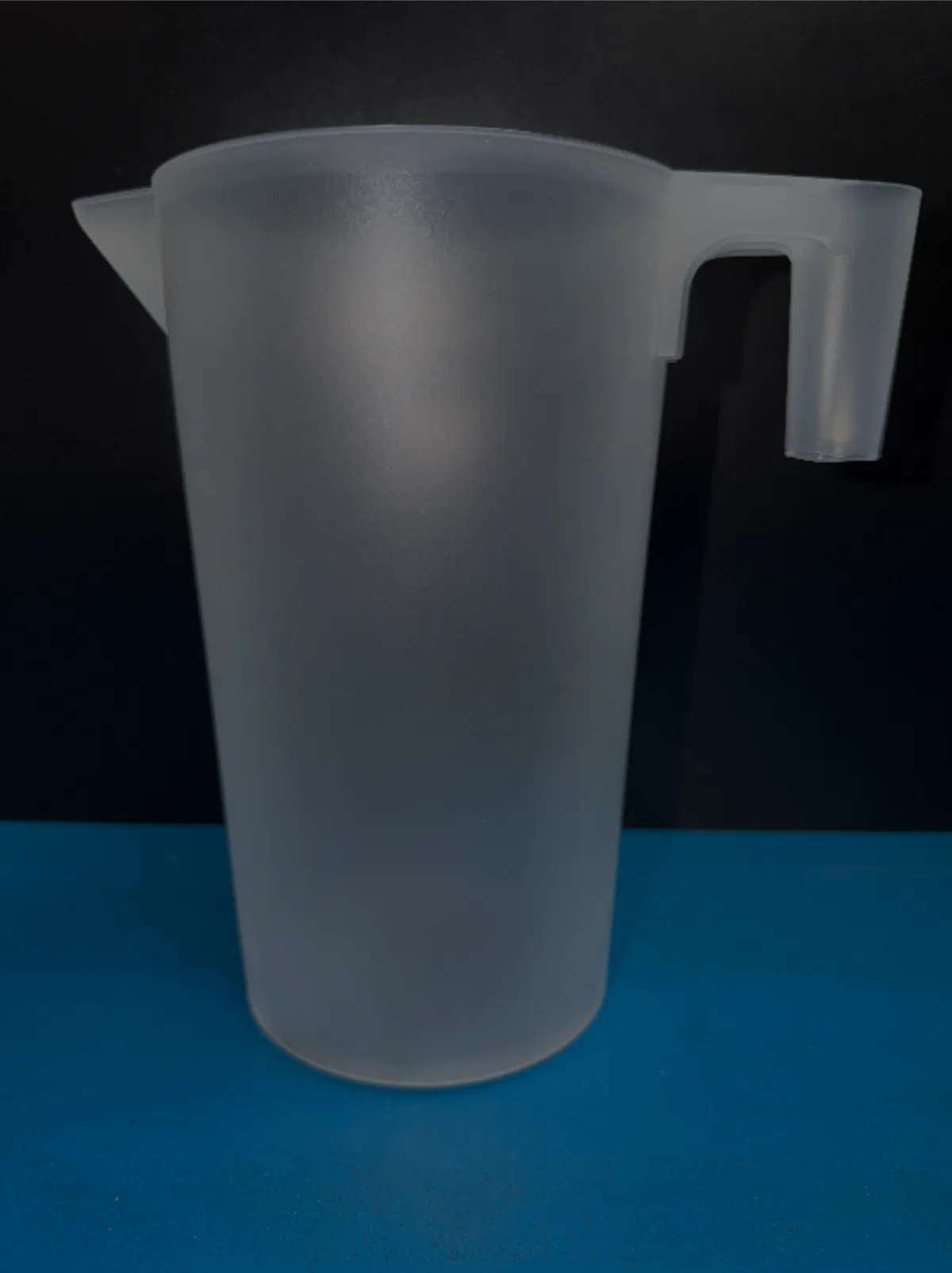
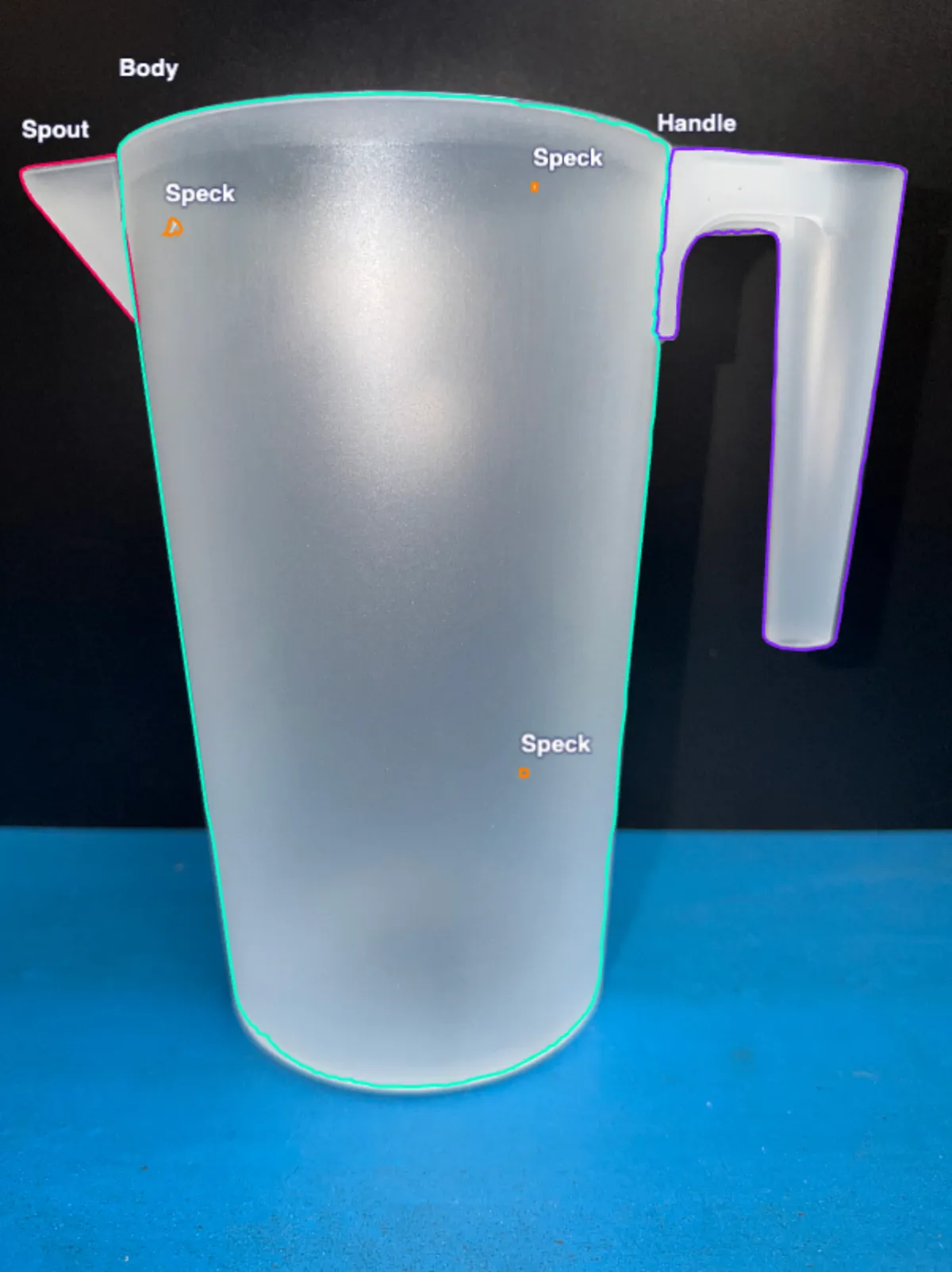
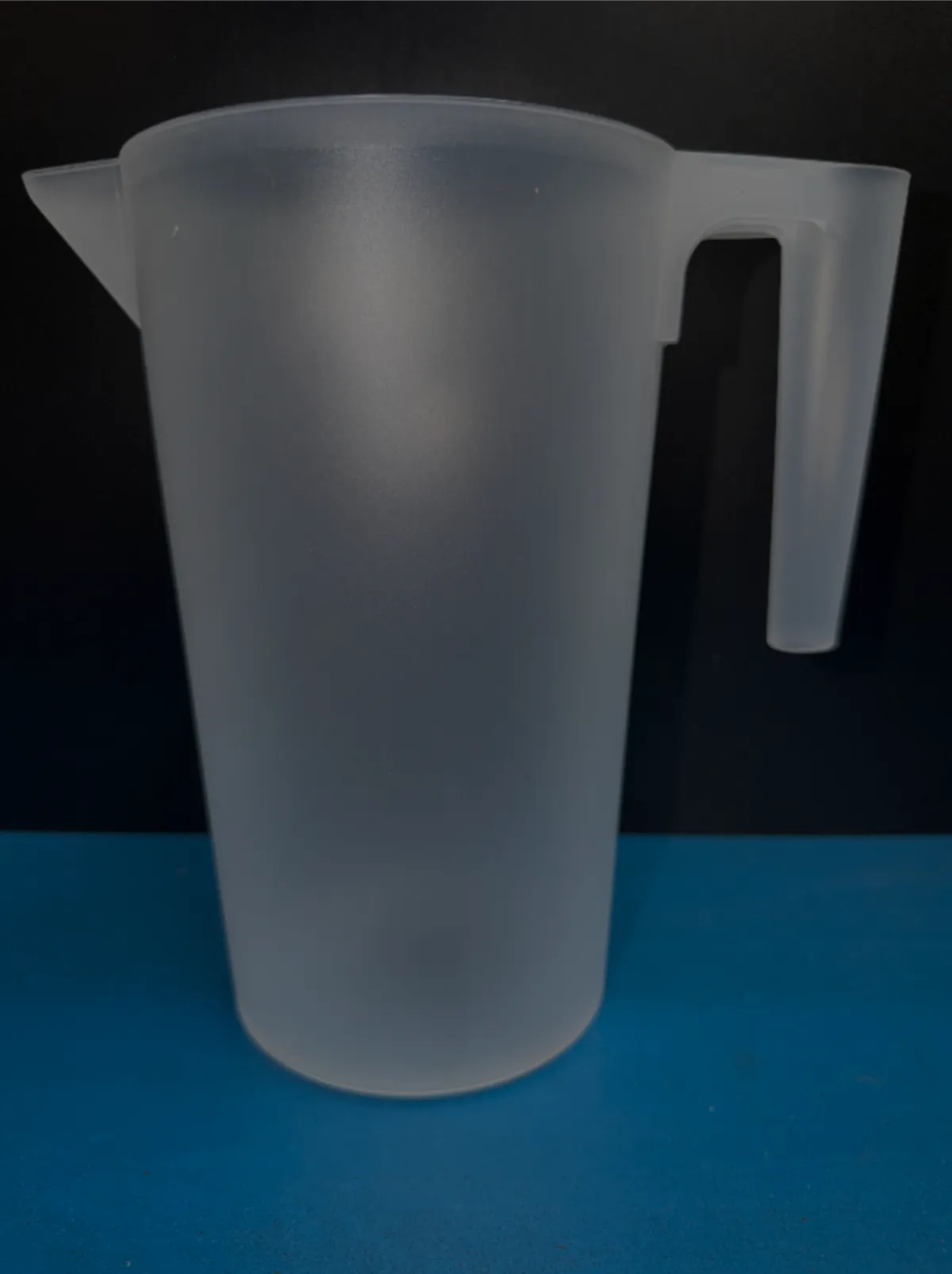
Transparent jugs, lids, pots, heat-shrink seals and moulded knobs, each trained from about 100 images of the customer's own production.
How it Works
How Deepvis Inspection System Works
Easy to deploy proprietary AI-models specifically for manufacturing.

Collect data
Collect data
Step 01Mount the camera and capture as little as 100 images directly from your production line. Deepvis learns from real-world variation — including lighting, shape, and recycled material inconsistencies.

Annotate
Annotate
Step 02Annotate just 120 examples — or let us assist. The model learns the defect types you annotate, and sharpens as more production images come in.

Train the model
Train the model
Step 03Click “Train Model” and let the system process your images. In around 2 hours, your custom model is ready to run live and sort out defective parts automatically.
Our products
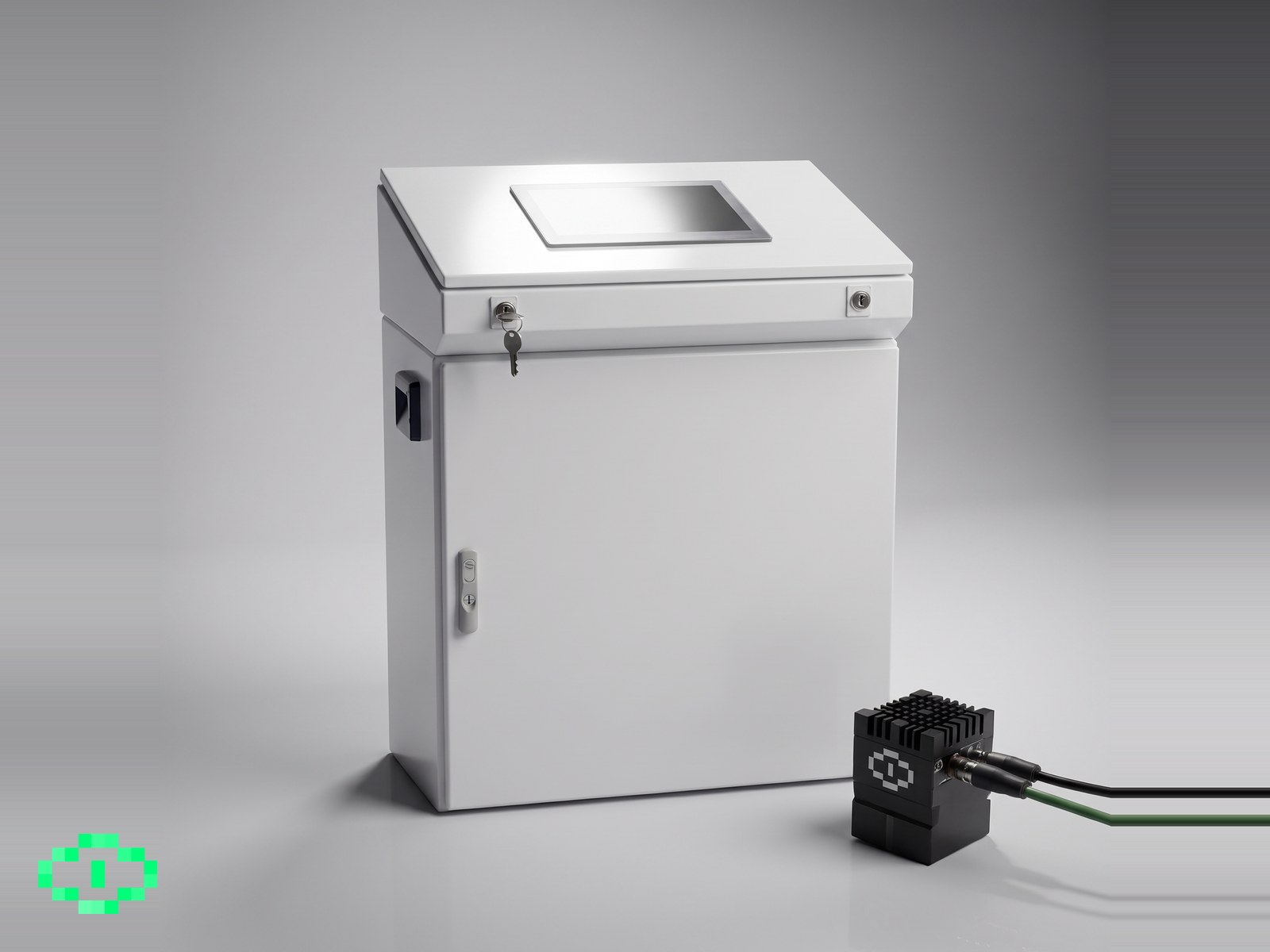
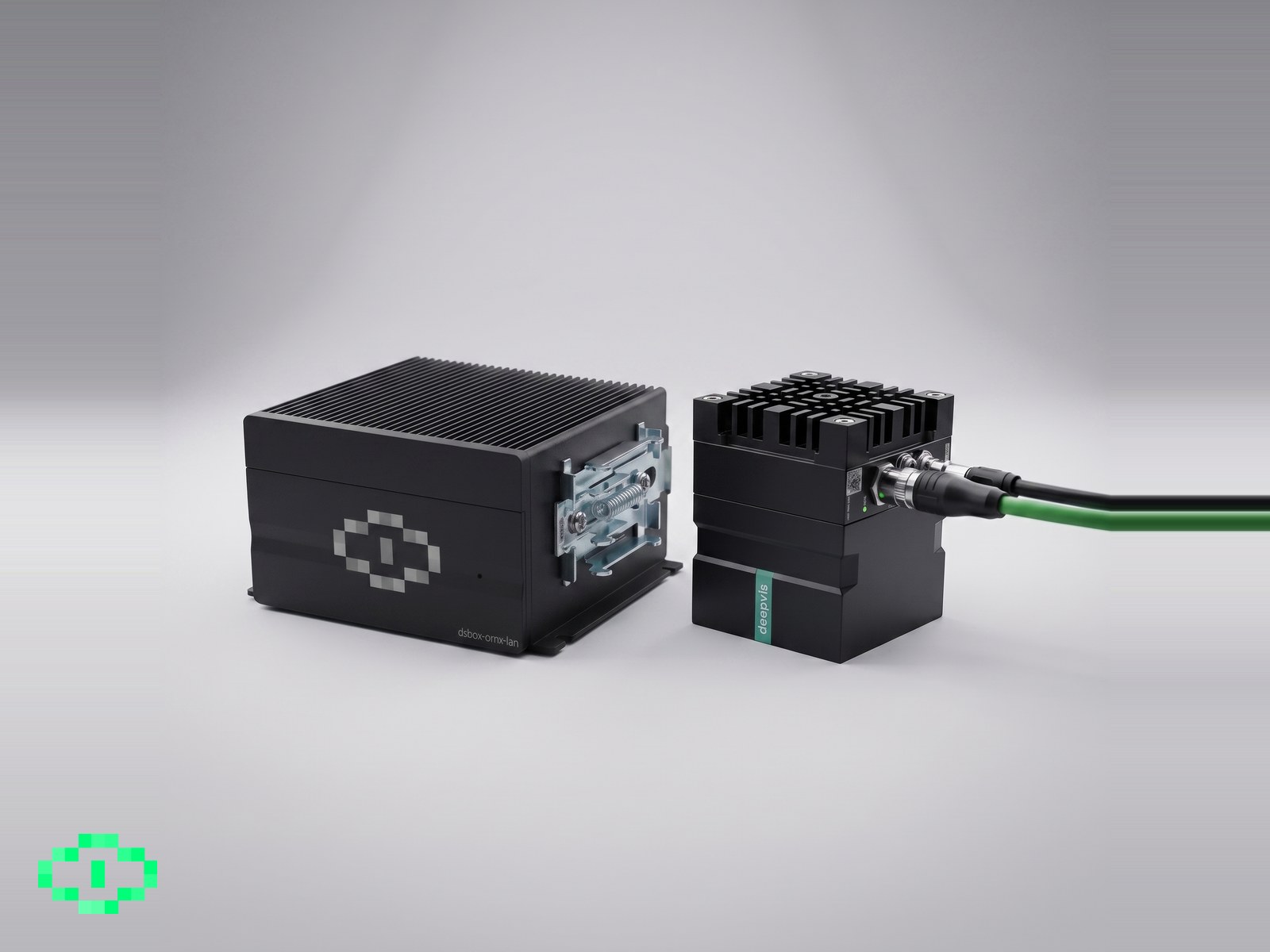
Two systems, one platform
The same models, dashboard and machine I/O. The difference is how much hardware the line has room for.
Documentation
Every batch has its own folder
Each rejected part is filed under its batch with the image, defect class, size, cavity and time. When a customer asks about a delivery, the evidence is already there.
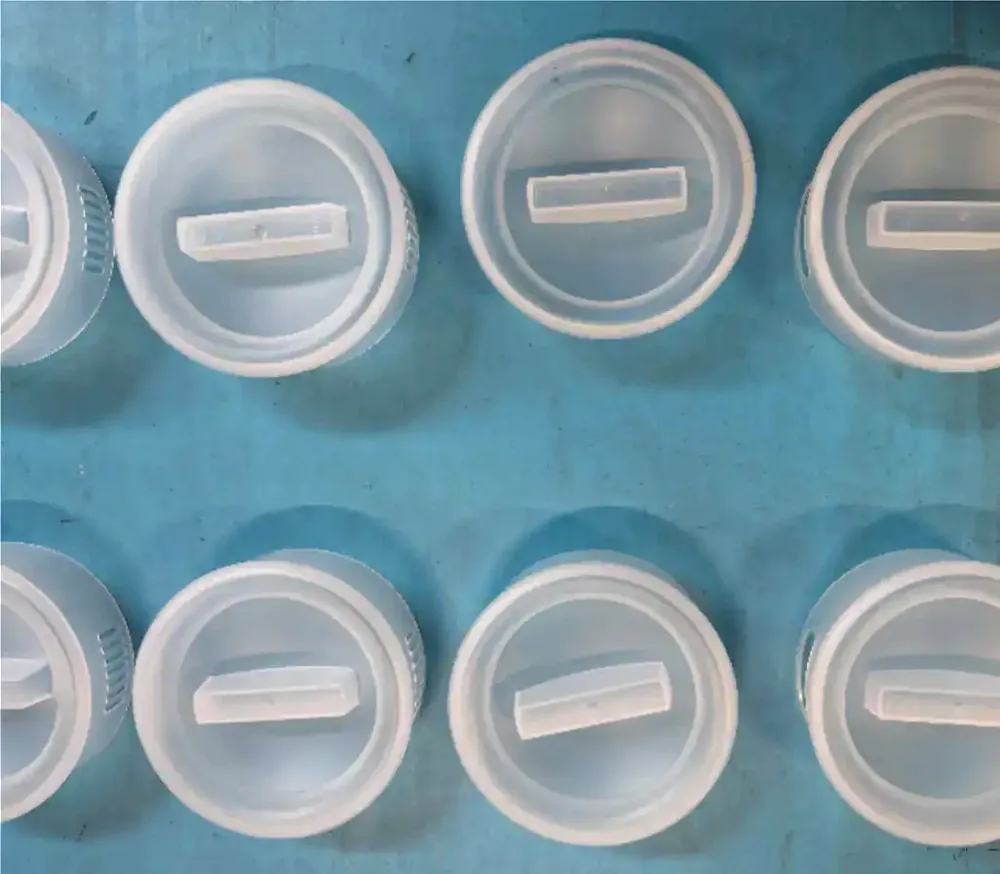
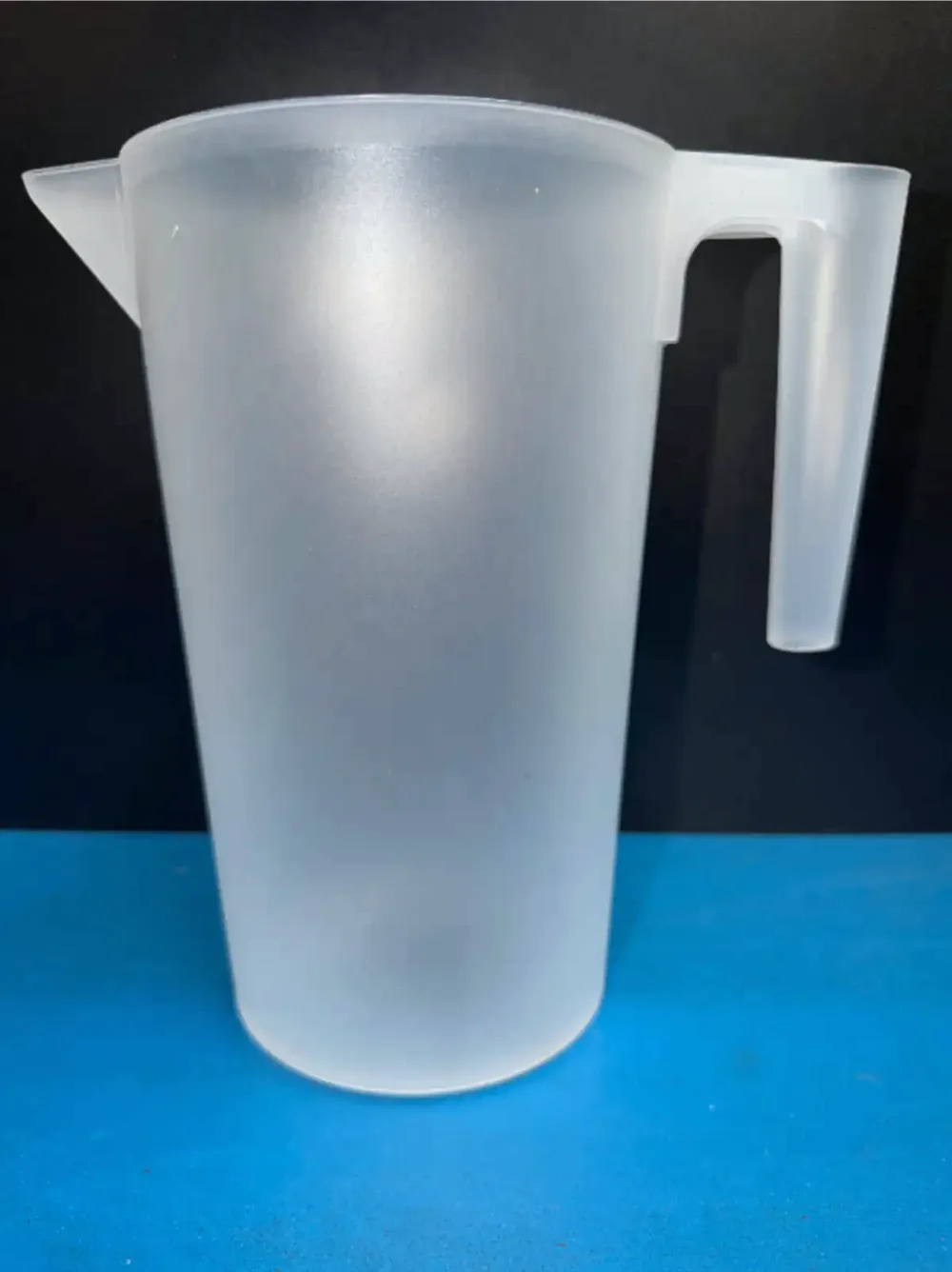
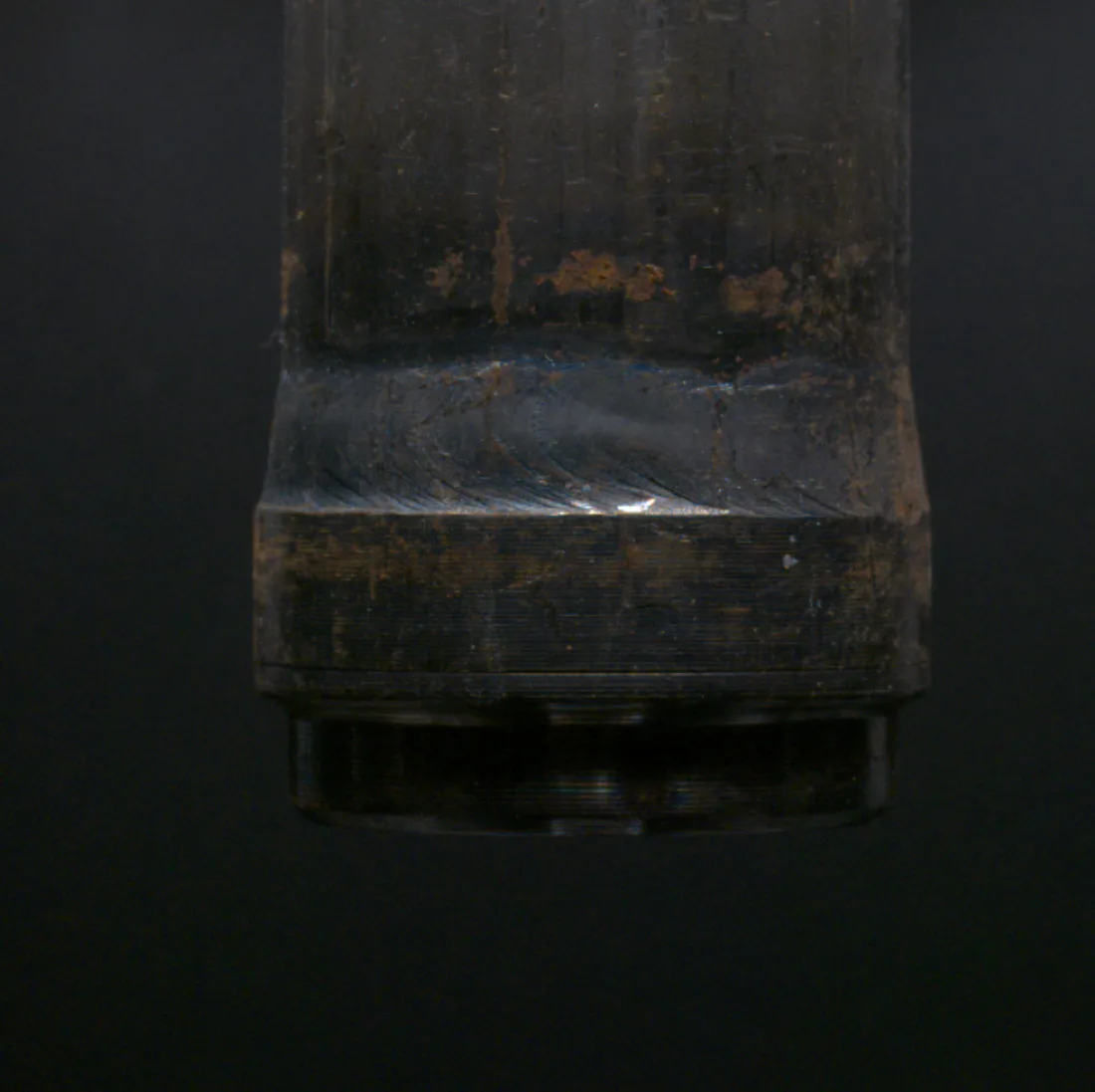
The defects that matter on a moulding line, on real parts
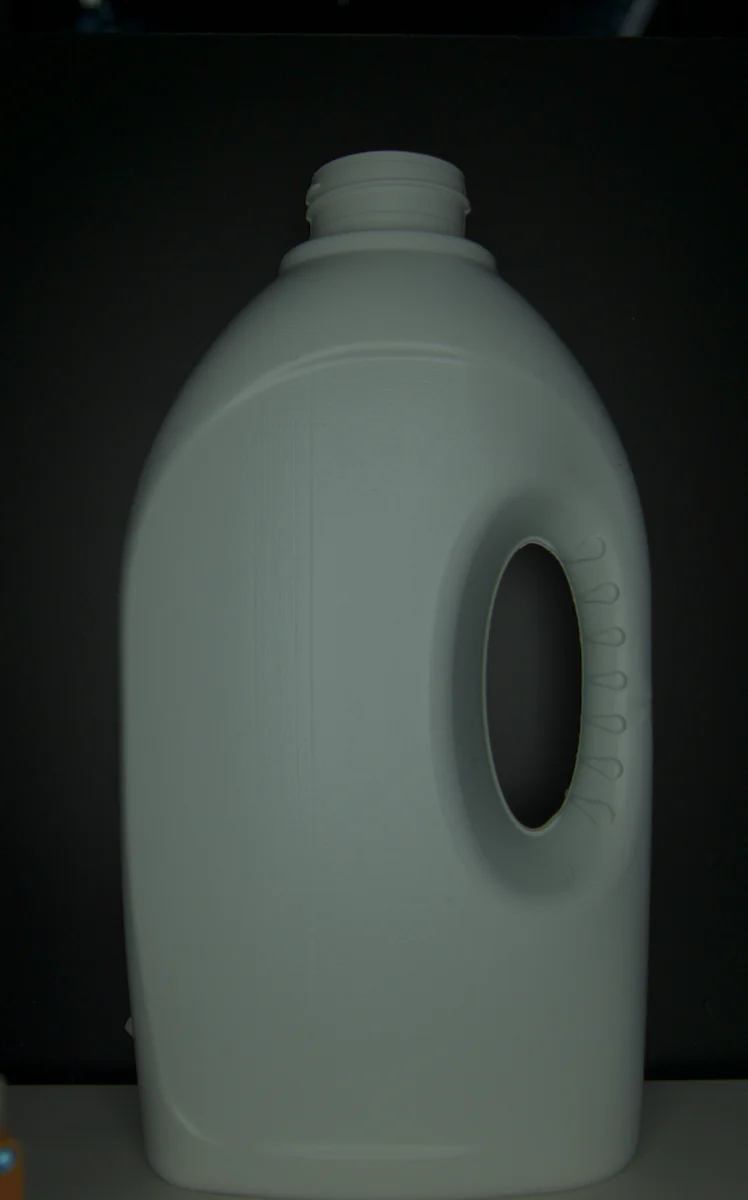
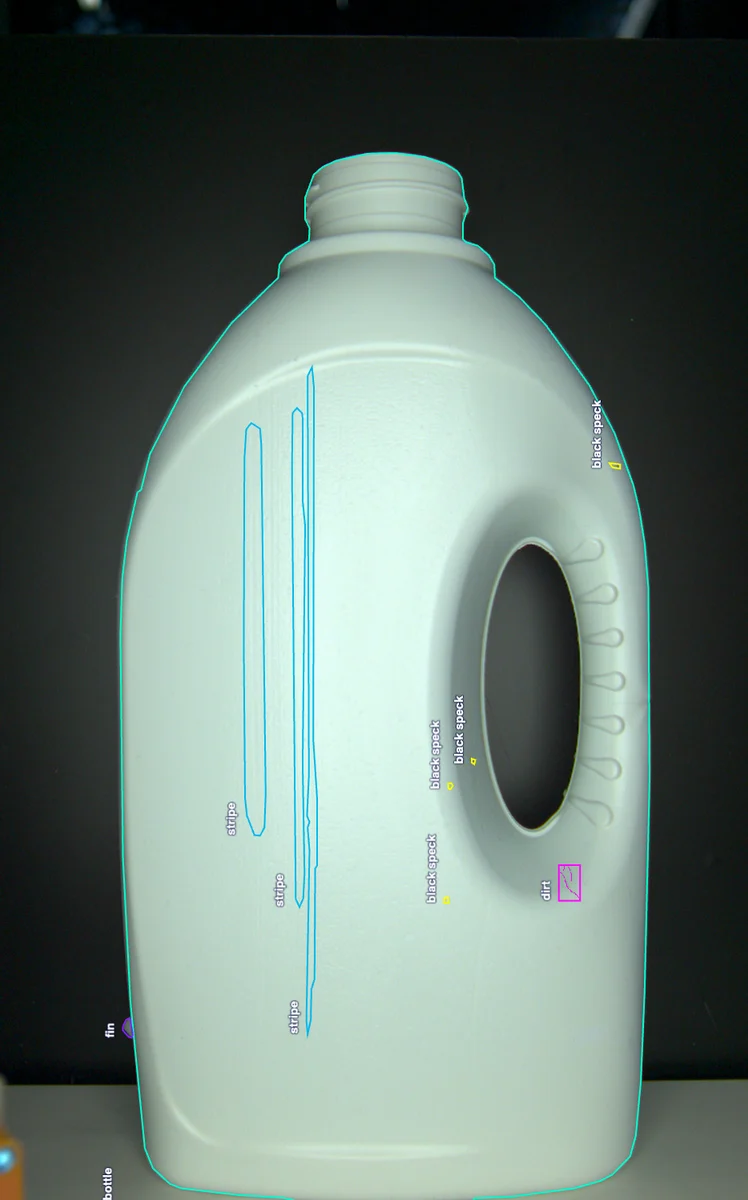
- Bottle
- Stripe
- Black speck
- Dirt
- Fin
Surface level defects
One frame, many questions answered at once. The model segments the bottle itself, then every stripe, black speck and patch of dirt on it — each as an outline rather than a box. An outline can be measured, so the same pass that finds a defect also classifies it, sizes it in mm², and decides whether it crosses the threshold that fires the reject.
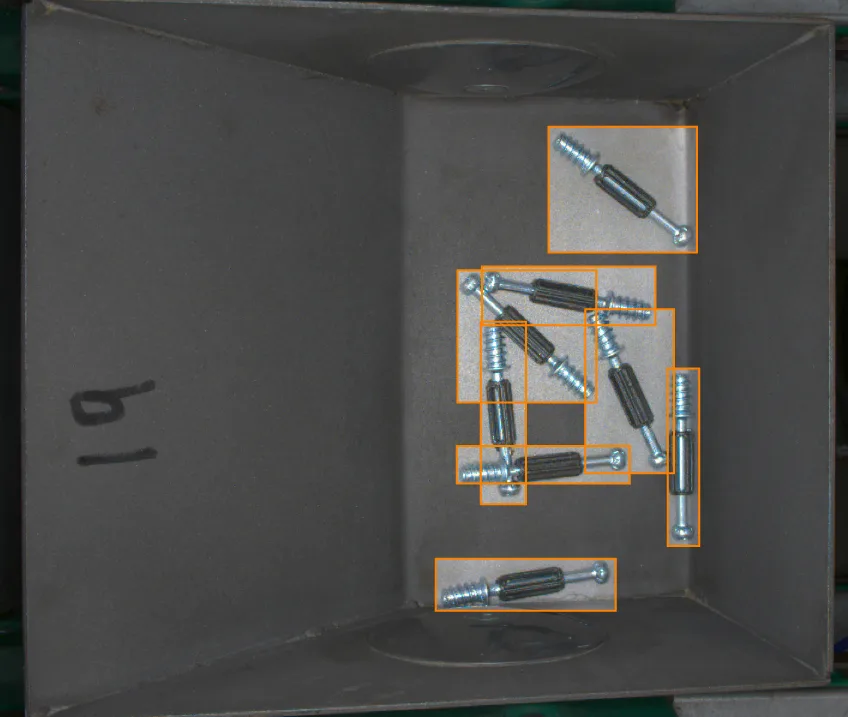
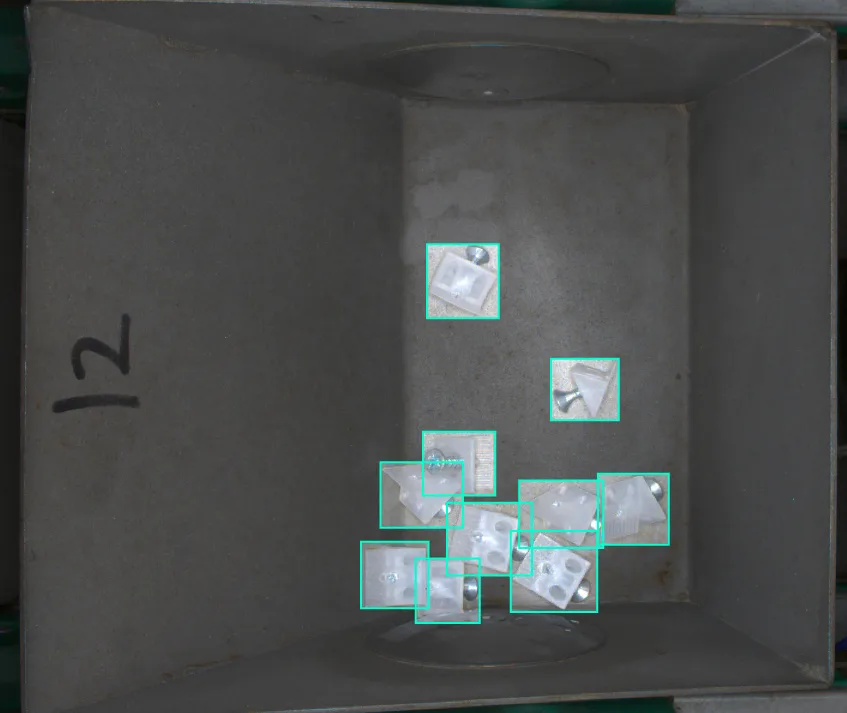
Live view
What the operator sees at the machine, right now. Detections are drawn on the stream as parts pass, with the cavity and confidence attached.
How the line acts on it →Production runs
Go back to any run and see what was produced and what the system caught — part, batch, counts and reject rate.
Everything that gets recorded →| Run | Part | Batch | Started | Parts | NOK | Rate | |
|---|---|---|---|---|---|---|---|
| R-4821 | Cap 32mm | B-2291 | 08.03 07:02 | 18,420 | 61 | 0.33% | Completed |
| R-4820 | Lid 88mm | B-2288 | 07.03 23:04 | 21,150 | 44 | 0.21% | Completed |
| R-4819 | Cap 32mm | B-2287 | 07.03 15:01 | 19,880 | 96 | 0.48% | Flagged |
| R-4818 | Housing A | B-2284 | 07.03 07:03 | 16,240 | 38 | 0.23% | Completed |
Statistics
Deepvis helps you visualize and track defect trends, product performance, and production issues — all in real time. With actionable insights, you can optimize processes and reduce waste without slowing down your line.
Correlate
Cavity 4 makes 2.5× the overmould
vs the other cavities · 24 h
Correlation and causation
From “a part failed” to “here is why”
Every defect is classified, measured and filed into a category — so the data is comparable rather than anecdotal.
Once defects carry a class, a size and a place in the process, patterns surface on their own: which cavity, which shift, which material batch. That is the difference between knowing your reject rate and knowing what is causing it.
See the full statistics feature set →Where we are
Built in Aalborg, Denmark
Our team and lab sit in Aalborg, close to the production lines we work on across Denmark.
Explore Smarter Quality Control with Deepvis
Discover how AI-driven visual inspection can reduce errors, cut costs, and adapt to your production line — without complex setups.